Quick Answer
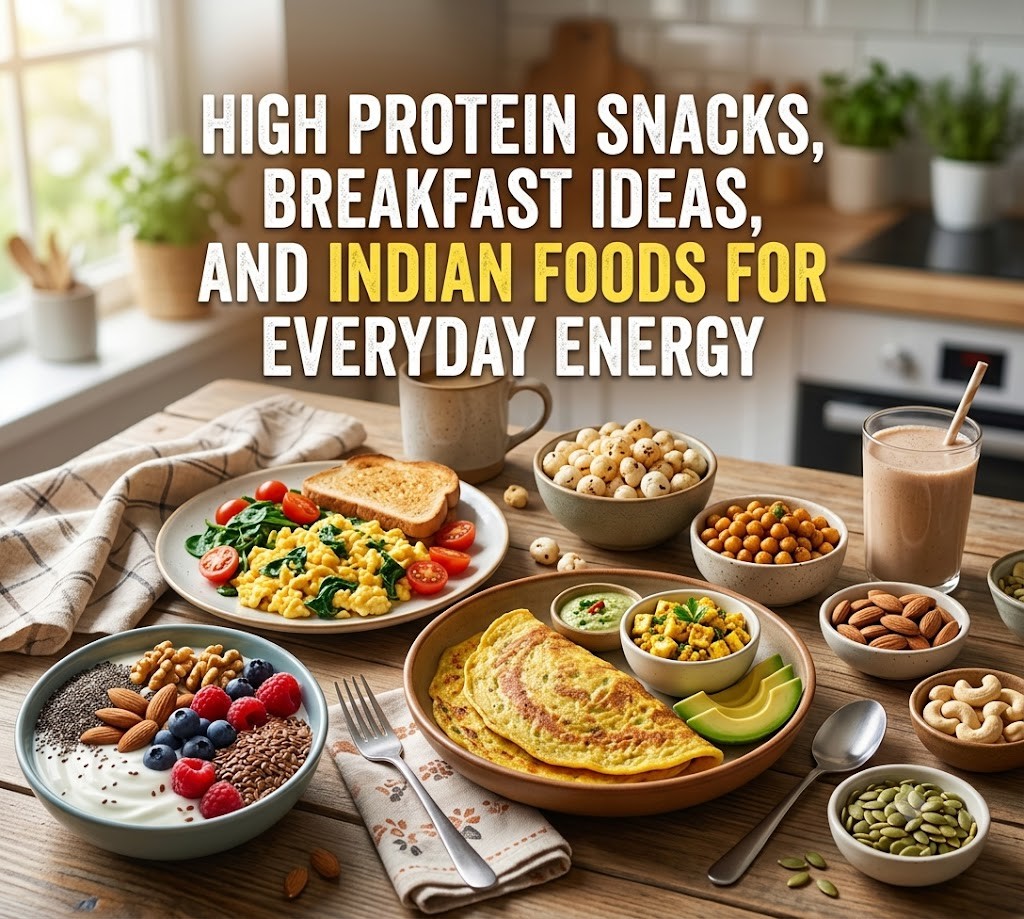
Meeting daily protein needs is easier when spread across snacks, breakfast, and meals rather than concentrated at dinner. High protein snacks like Greek yogurt or roasted chickpeas, protein-rich breakfasts such as egg dishes, and traditional Indian foods like dal and paneer all offer accessible, culturally diverse ways to hit daily protein targets recommended by the USDA Dietary Guidelines.
Key Facts Table
| Fact | Detail |
|---|---|
| General adult protein RDA | 0.8g per kg body weight (minimum) |
| Active adult protein range | 1.2-1.6g per kg body weight |
| High protein snack threshold | 10g+ protein per serving |
| Protein in 2 eggs | About 12g |
| Protein in 1 cup cooked lentils | About 18g |
Introduction
Protein needs don’t have to be met in one large meal. Spreading protein across snacks, breakfast, and traditional dishes throughout the day supports muscle maintenance, satiety, and steady energy. Foodie Business explores practical high protein snacks, breakfast ideas, and Indian food options that make daily protein targets easier to reach.
High Protein Snacks
What Qualifies as “High Protein”
Nutrition experts generally consider a snack “high protein” if it provides 10 grams or more of protein per serving, helping bridge the gap between meals.
Top High Protein Snack Options
- Greek yogurt cup (15-20g protein)
- Roasted chickpeas (7-8g per half cup)
- Cottage cheese with fruit (12-14g protein)
- Edamame (17g per cup)
- Beef or turkey jerky (9-13g per ounce)
- A handful of roasted almonds paired with a cheese stick (12g combined)
Protein Rich Breakfast Ideas
Why Breakfast Protein Matters
Distributing protein intake evenly, including at breakfast, has been associated with better muscle protein synthesis compared to concentrating protein at dinner, according to research from the Academy of Nutrition and Dietetics.
Breakfast Ideas and Their Protein Content
- Two eggs plus a side of Greek yogurt — about 22-25g protein
- Protein smoothie with whey or plant protein — about 25-30g protein
- Cottage cheese with berries and a sprinkle of granola — about 20g protein
Protein Rich Indian Foods
Traditional Options That Deliver Protein
- Dal (lentils): About 18g protein per cooked cup
- Paneer: About 14g protein per 100g
- Chana (chickpeas): About 15g protein per cooked cup
- Curd (dahi): About 10g protein per cup
- Soy chunks (used in some regional dishes): About 52g protein per 100g dry weight
A Sample High Protein Indian Meal
Moong dal with a side of paneer bhurji and cucumber raita can provide 35-40 grams of protein in a single, culturally familiar meal.
Comparison Table: Snack, Breakfast, and Indian Food Protein Sources
| Category | Example | Approximate Protein |
|---|---|---|
| Snack | Greek yogurt cup | 15-20g |
| Snack | Edamame (1 cup) | 17g |
| Breakfast | Two eggs + yogurt | 22-25g |
| Breakfast | Protein smoothie | 25-30g |
| Indian food | Dal (1 cup cooked) | 18g |
| Indian food | Paneer (100g) | 14g |
Practical Tips
- Keep portable high protein snacks like jerky or roasted chickpeas on hand for busy days
- Add a protein source to every breakfast, even something as simple as an extra egg
- Use dal and paneer as reliable, budget-friendly protein bases for vegetarian meals
- Track protein intake for a few days to identify where you may be falling short
FAQ Section
How much protein do I need daily? General guidance suggests at least 0.8g per kilogram of body weight, though active individuals often benefit from 1.2-1.6g per kilogram.
What are the best high protein snacks for on-the-go? Greek yogurt cups, jerky, and roasted chickpeas are portable and provide 10g or more of protein per serving.
Is it better to eat protein at breakfast or dinner? Research suggests spreading protein evenly across meals, including breakfast, supports better overall muscle protein synthesis than concentrating it at dinner.
What Indian foods are highest in protein? Dal, paneer, chickpeas, and soy-based dishes are among the most protein-dense traditional options.
Can vegetarians easily meet protein needs with Indian food? Yes, dishes built around lentils, paneer, and legumes make it very achievable for vegetarians.
Are protein bars a good high protein snack option? They can be, though checking for added sugar content is important since some bars are high in sugar despite being marketed as “protein” products.
How many eggs should I eat for a high protein breakfast? Two to three eggs typically provide 12-18g of protein, which can be supplemented with a side like yogurt for a more complete breakfast.
What is a quick high protein Indian snack? Roasted chana (chickpeas) or a small bowl of curd with fruit are quick, protein-rich options.
Does cooking method affect the protein content of foods? Cooking method generally doesn’t significantly reduce protein content, though some nutrients may be affected by prolonged high heat.
Can I get enough protein without meat or dairy? Yes, lentils, chickpeas, tofu, and soy-based foods can provide substantial plant-based protein.
Key Takeaways
- Spreading protein across snacks, breakfast, and meals supports better overall intake
- High protein snacks should provide at least 10g of protein per serving
- Indian staples like dal and paneer are reliable, accessible protein sources
- Breakfast protein supports satiety and muscle maintenance throughout the day
Conclusion
Meeting daily protein needs becomes far more manageable when you distribute intake across snacks, breakfast, and culturally familiar meals like dal and paneer-based Indian dishes. By choosing high protein options at each eating occasion, you support steady energy, satiety, and long-term nutritional goals without relying on a single protein-heavy meal.
