
Introduction
Food and beverage are no longer defined solely by hunger or thirst. In today’s world, they represent identity, culture, wellness, and experience. From curated café menus to fine-dining tasting courses, what we eat and drink reflects how we live, socialize, and care for ourselves.
Luxury food and beverage culture emphasizes intentional consumption—choosing quality ingredients, refined flavors, and thoughtful presentation over excess. This shift has transformed everyday meals into lifestyle statements and global culinary conversations.
The Evolution of Food & Beverage Culture
From Necessity to Experience
Historically, food served survival. Today, it delivers emotion, storytelling, and connection. Dining is experiential—combining taste, texture, ambiance, and service.
Influence of Globalization
Global travel and digital exposure have introduced diverse cuisines, beverages, and preparation styles into everyday dining habits.
Food as an Expression of Wellness
Nutritional Awareness
Modern consumers prioritize balance—clean ingredients, mindful portions, and functional nutrition.
Conscious Eating Habits
Slow dining, seasonal menus, and ingredient transparency support both health and enjoyment.
Beverage Culture Beyond Hydration
Crafted Beverages
Coffee, tea, mocktails, and artisanal drinks now rival food in complexity and creativity.
Alcohol-Free Luxury
Premium non-alcoholic beverages cater to wellness-focused lifestyles without compromising elegance.
Presentation and Atmosphere
Visual Storytelling
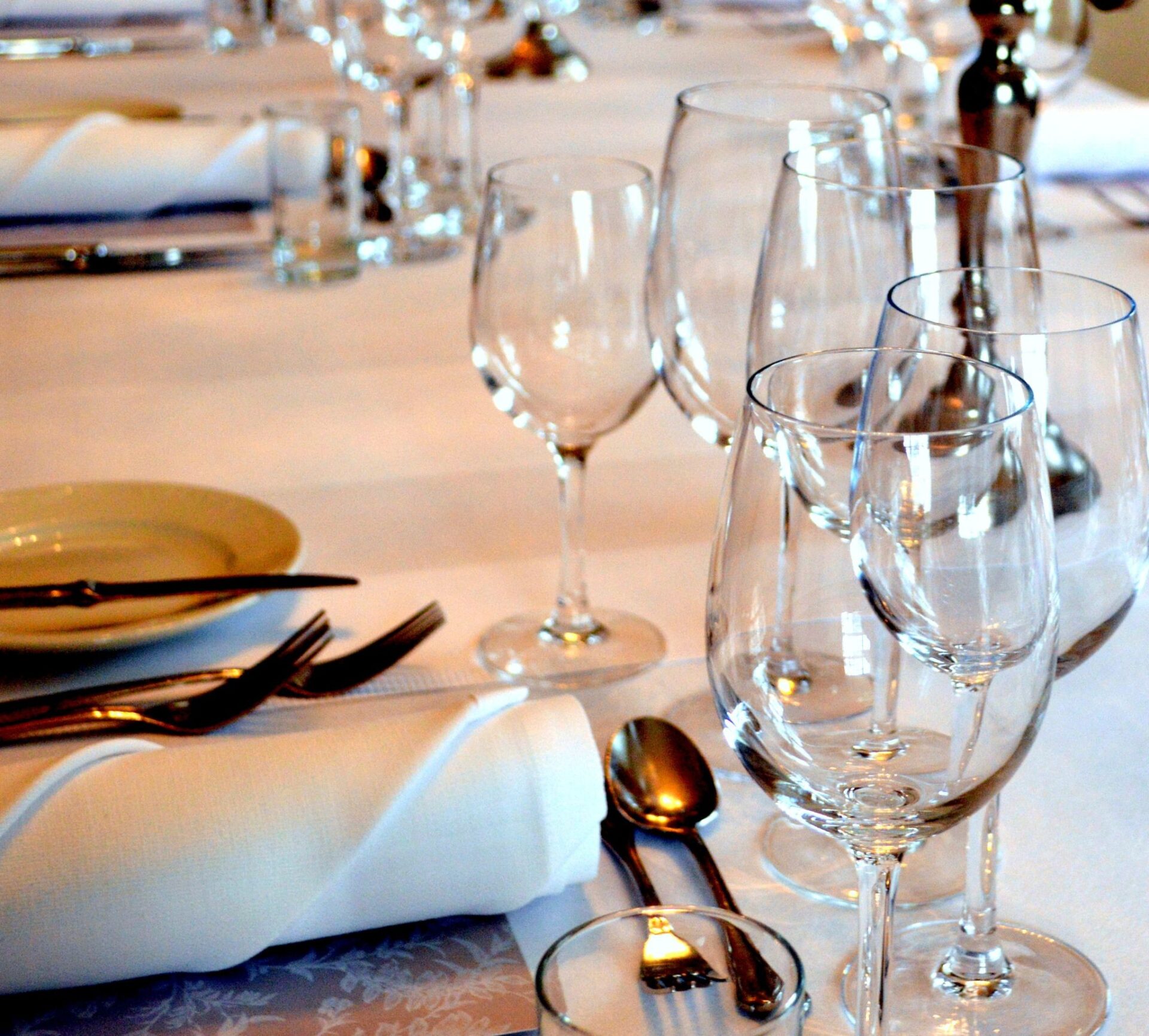
Minimalist plating, natural textures, and curated glassware elevate perception and enjoyment.
Conclusion
Food and beverage have become lifestyle markers—symbols of care, culture, and refinement. When approached thoughtfully, dining becomes a daily act of elegance and well-being.
