
Introduction
Spice has always played a powerful role in global cuisine, but in modern luxury cooking, heat is no longer about intensity alone—it is about balance, depth, and craftsmanship. Spicy and hot recipes today celebrate the complexity of chilies, peppers, and warming spices while maintaining elegance and restraint.
From fine-dining tasting menus to refined home kitchens, heat is treated as a flavor enhancer rather than a challenge. When thoughtfully applied, spice awakens the palate, enhances aroma, and creates memorable culinary experiences.
Understanding Heat in Cooking
What Makes Food Spicy?
Spiciness comes from compounds like capsaicin, found in chili peppers. However, the perception of heat varies depending on fat content, acidity, and cooking technique.
Heat vs. Flavor
Luxury spicy cooking prioritizes layered flavor over raw heat. The goal is warmth that builds gradually, not overpowering intensity.
Premium Ingredients for Spicy & Hot Recipes
Artisanal Chilies and Peppers
Luxury kitchens favor sun-dried chilies, smoked peppers, and fresh seasonal varieties for nuanced heat.
Supporting Ingredients
Butter, cream, citrus, and aromatic herbs soften spice and create harmony.
Elegant Spicy Recipe Styles
Spicy Main Courses
From chili-infused seafood to slow-cooked spicy meats, heat adds depth when paired with refined techniques.
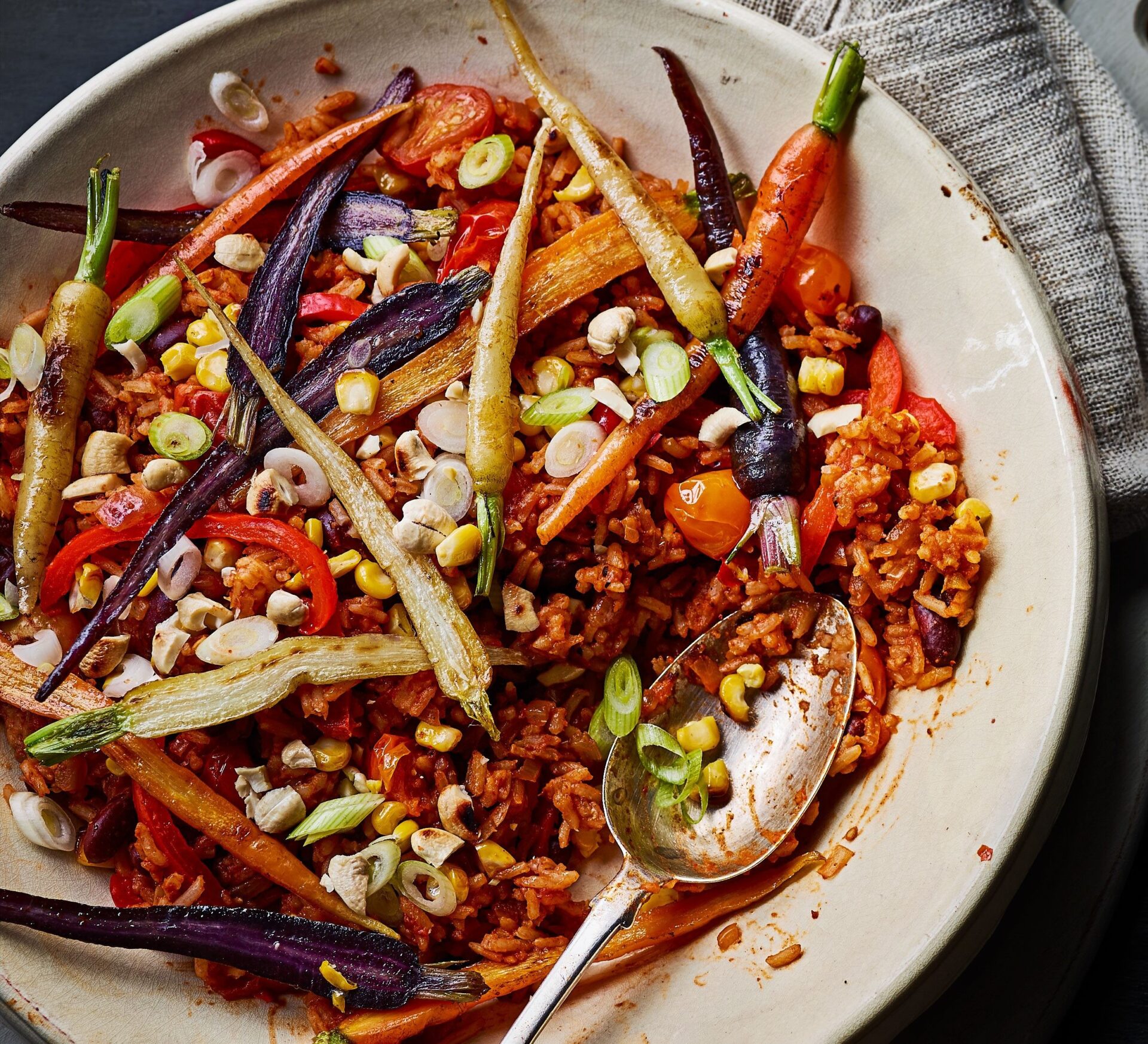
Vegetarian & Plant-Forward Heat
Spicy vegetable dishes highlight texture and natural sweetness.
Presentation of Spicy Dishes
Visual Balance
Minimalist plating allows bold flavors to shine without visual clutter.
Conclusion
Spicy and hot recipes, when elevated through thoughtful preparation and premium ingredients, become expressions of culinary sophistication rather than mere intensity.
